SOUTHERN CALIFORNIA BORDERLANDS
SR2422: ANCIENT CALIFORNIA ECOSYSTEMS AND SHORELINES
R/V SALLY RIDE
DECEMBER 2024 || CHIEF SCIENTISTS: Margaret Morris & Max Titcomb, Scripps Institution of Oceanography
The aim of SR2422 (the ACES cruise) was to explore how paleoclimate fluctuations in Southern California affected fishery dynamics in the California Current Ecosystem over the past several millennia, as well as to reconstruct ancient shorelines during early Holocene cooling events.
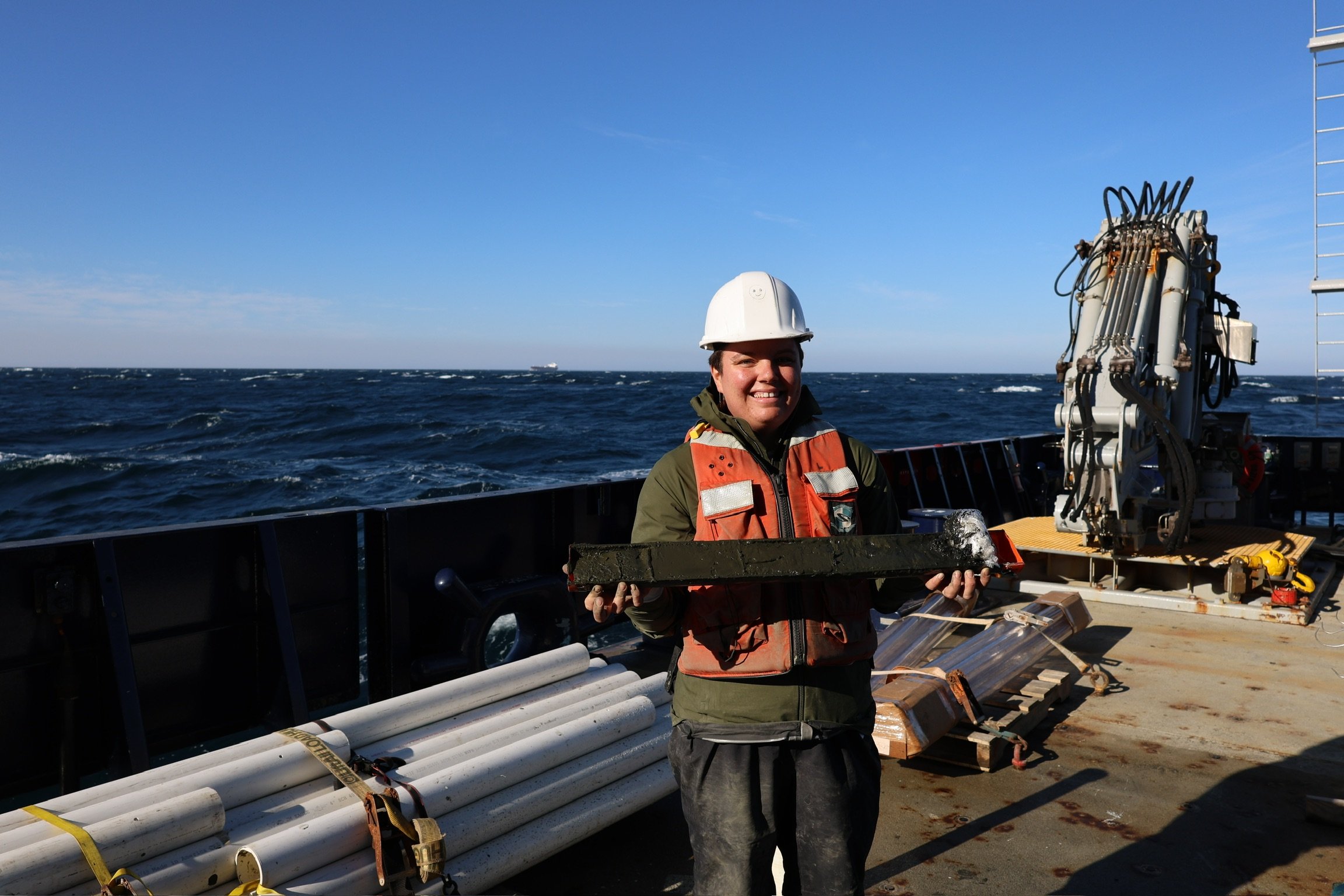
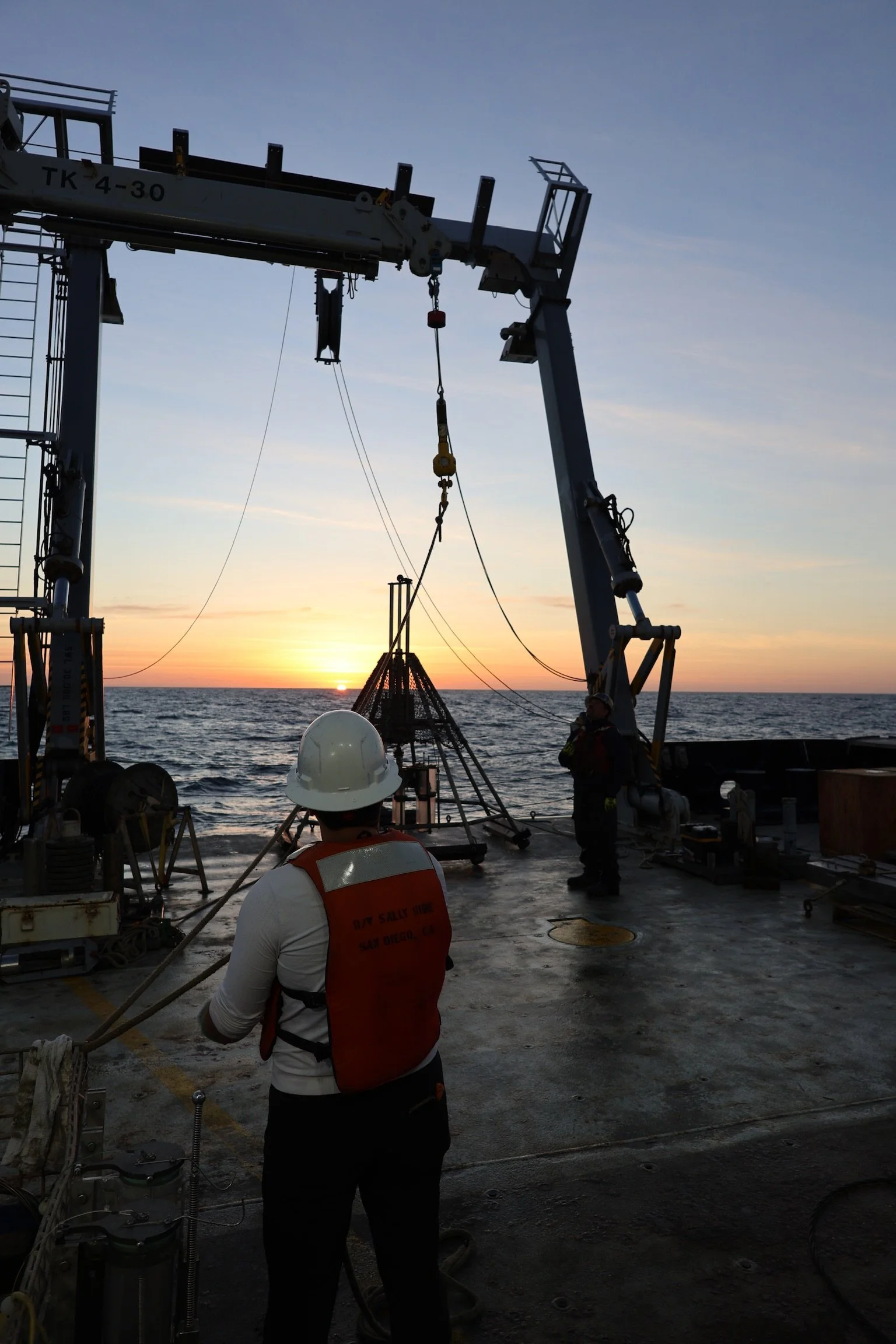
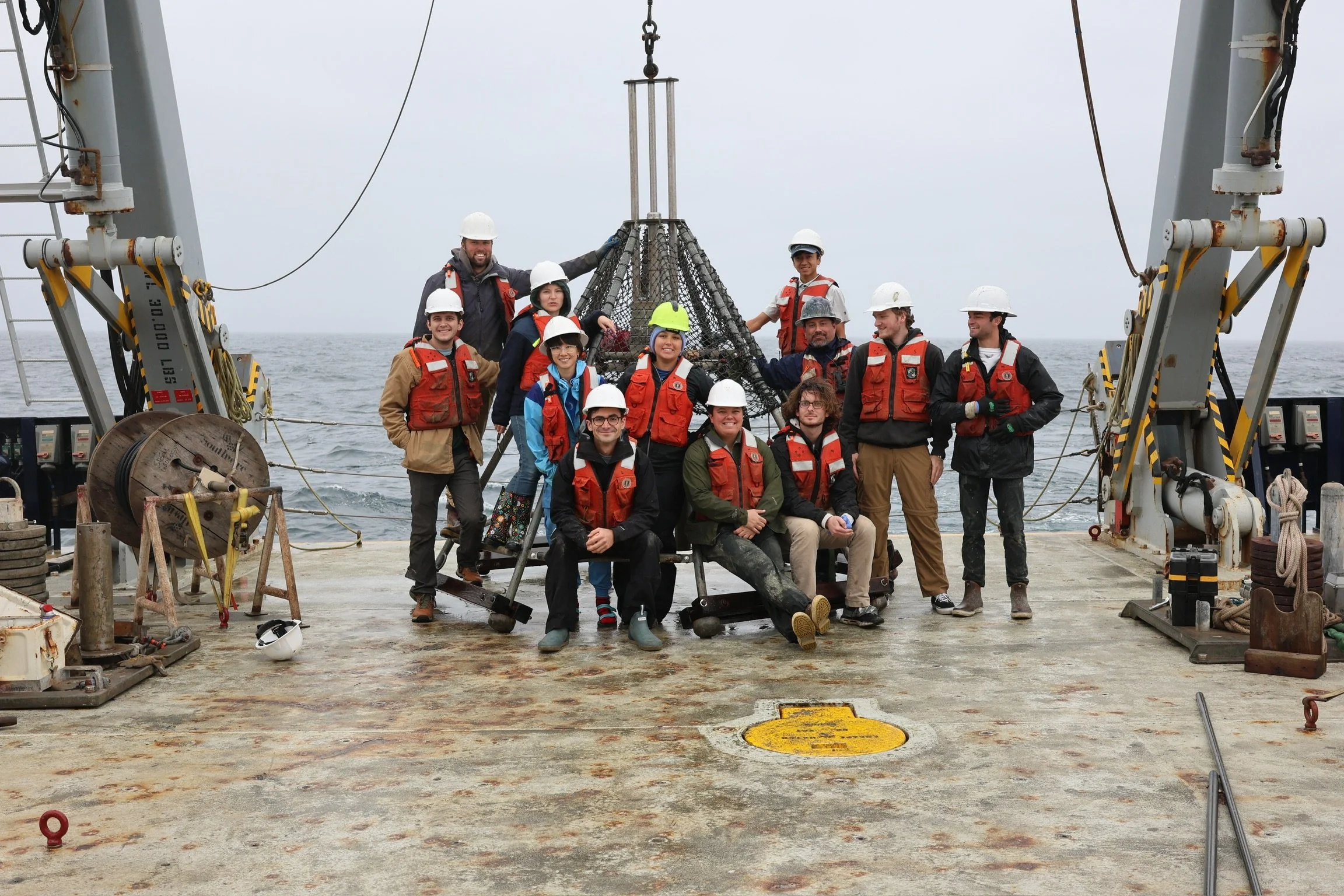
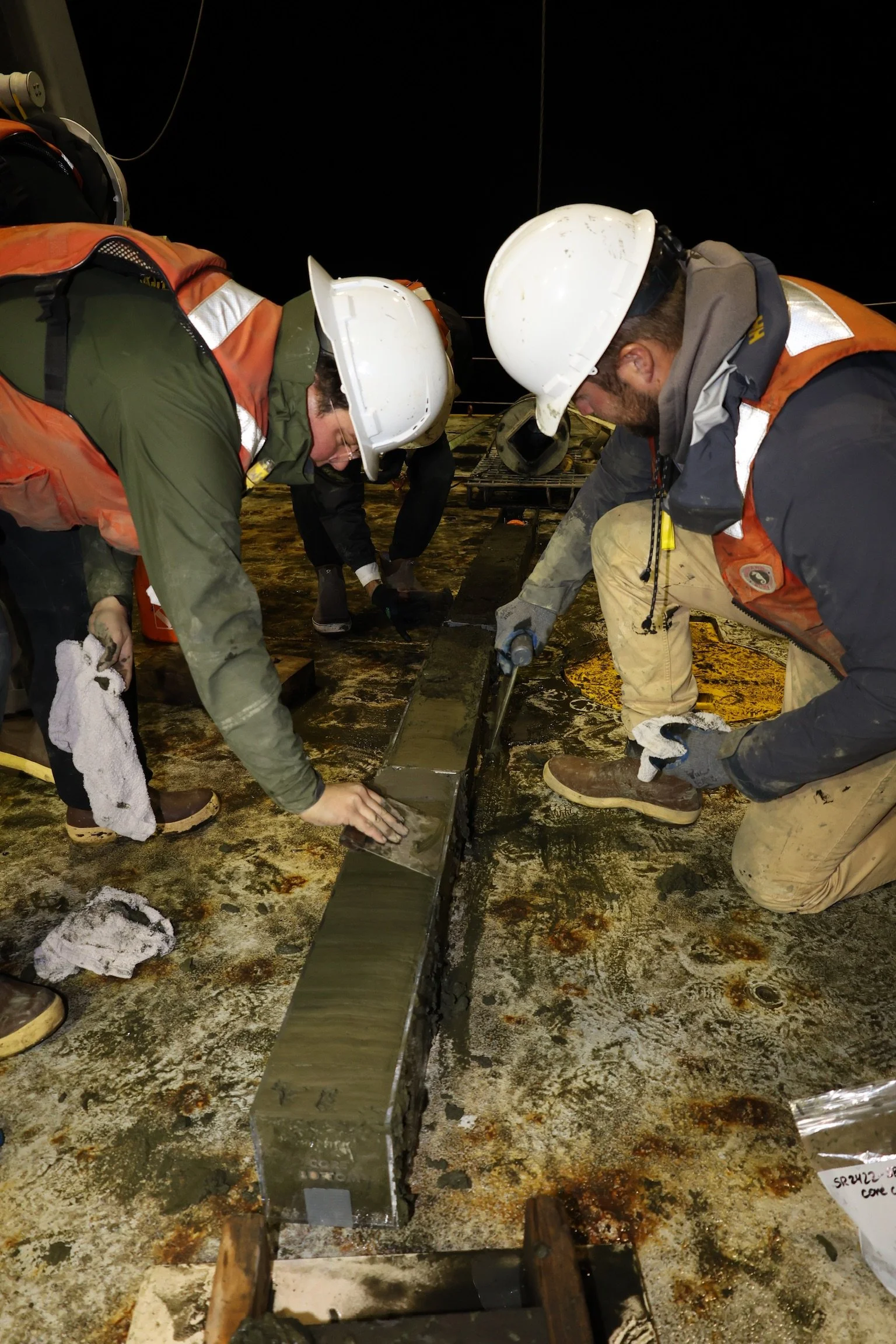
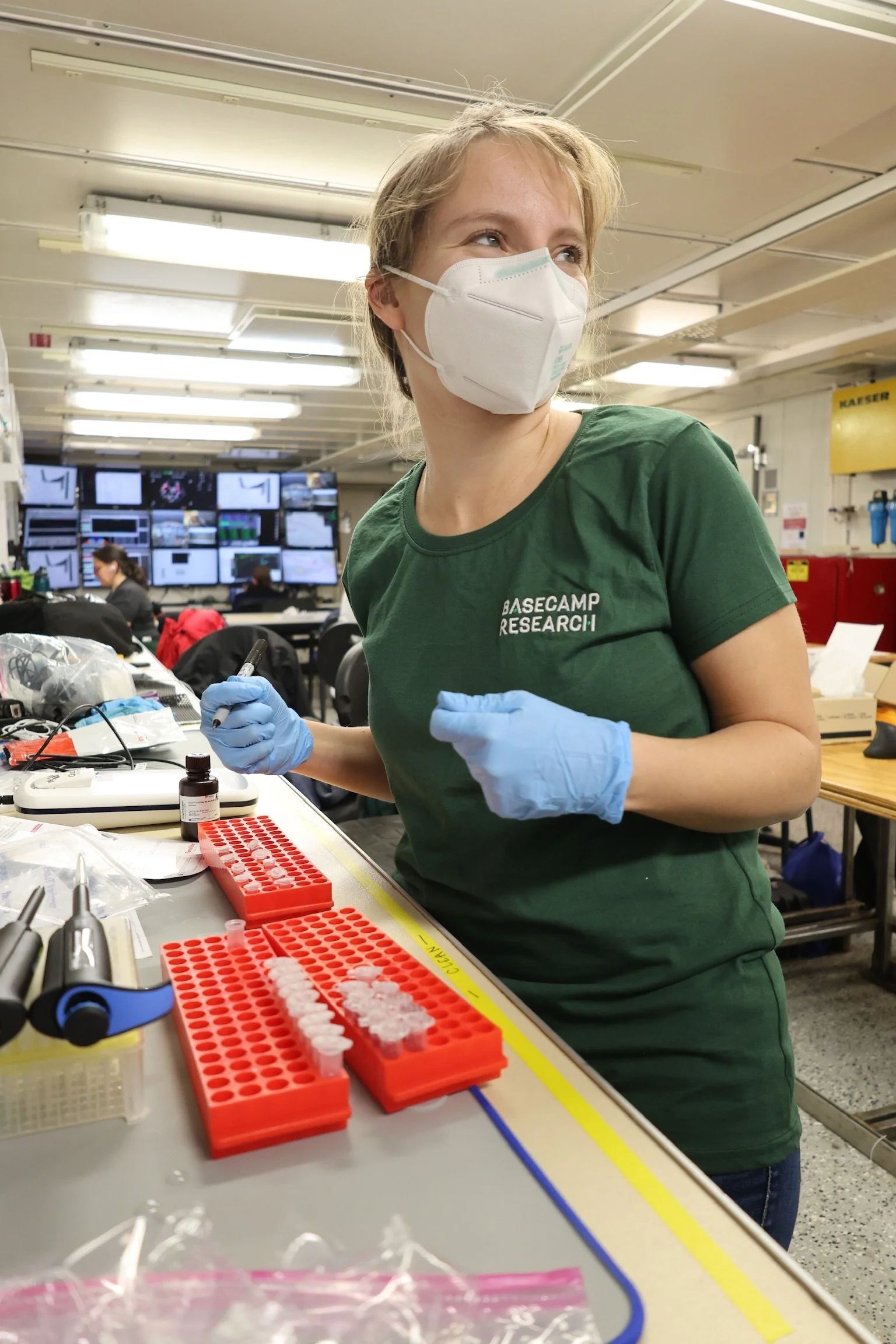
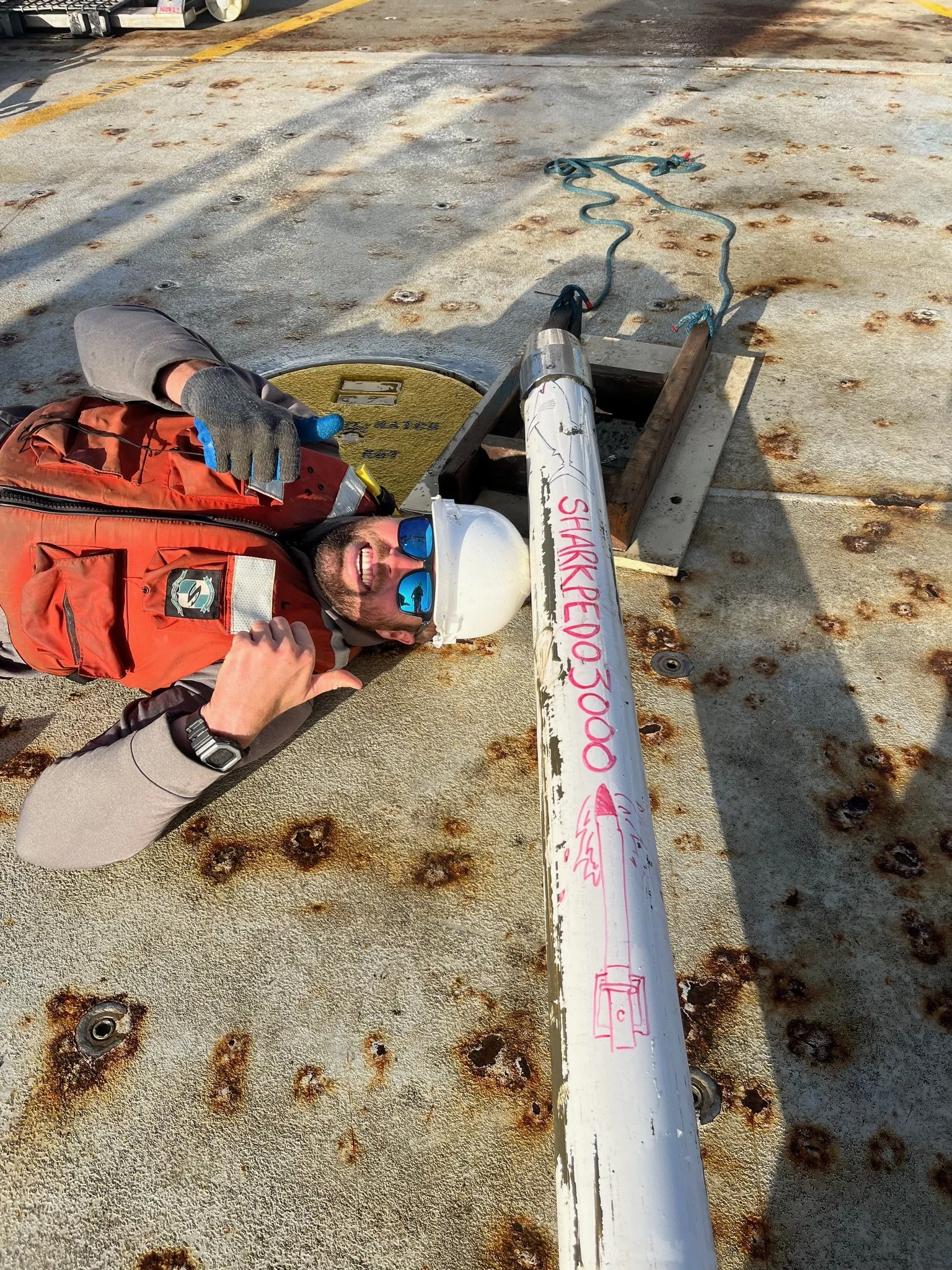
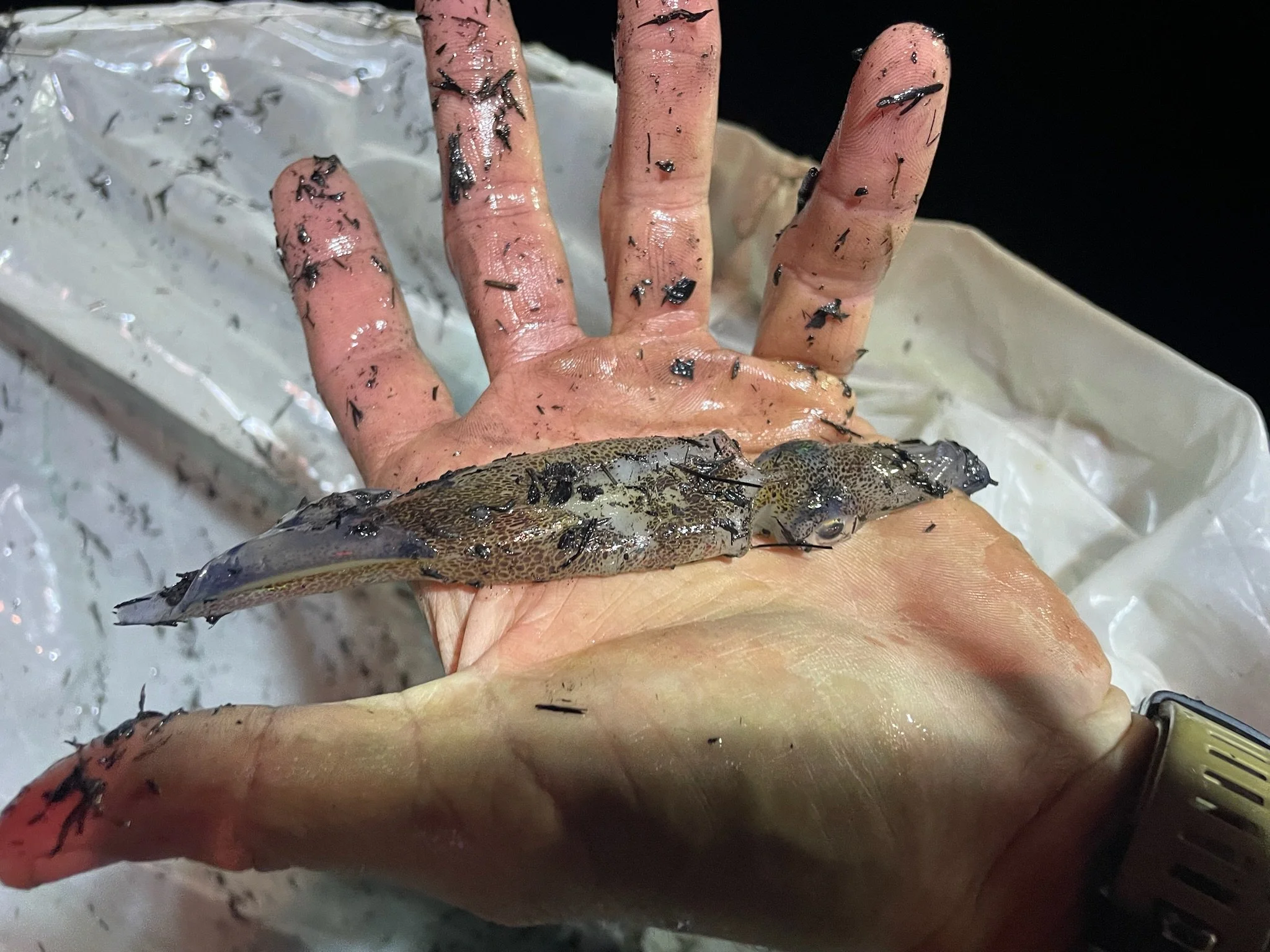
A team led by Max Titcomb (then PhD candidate at Scripps Institution of Oceanography) and Dr. Kahanamoku took a series of multi-, gravity, and kasten cores from anoxic basins in the Southern California Borderlands to reconstruct a 2000-year history of fish populations & their planktonic prey, leveraging both ancient DNA and fish scale deposits. As Pacific Sardine and Northern Anchovy are vital for the region's commercial fisheries and marine food webs, our goal was to characterize how the long-term population dynamics of these species is related to variability in planktonic communities, helping reveal the extent to which prey availability and food web structure drives fish abundance.
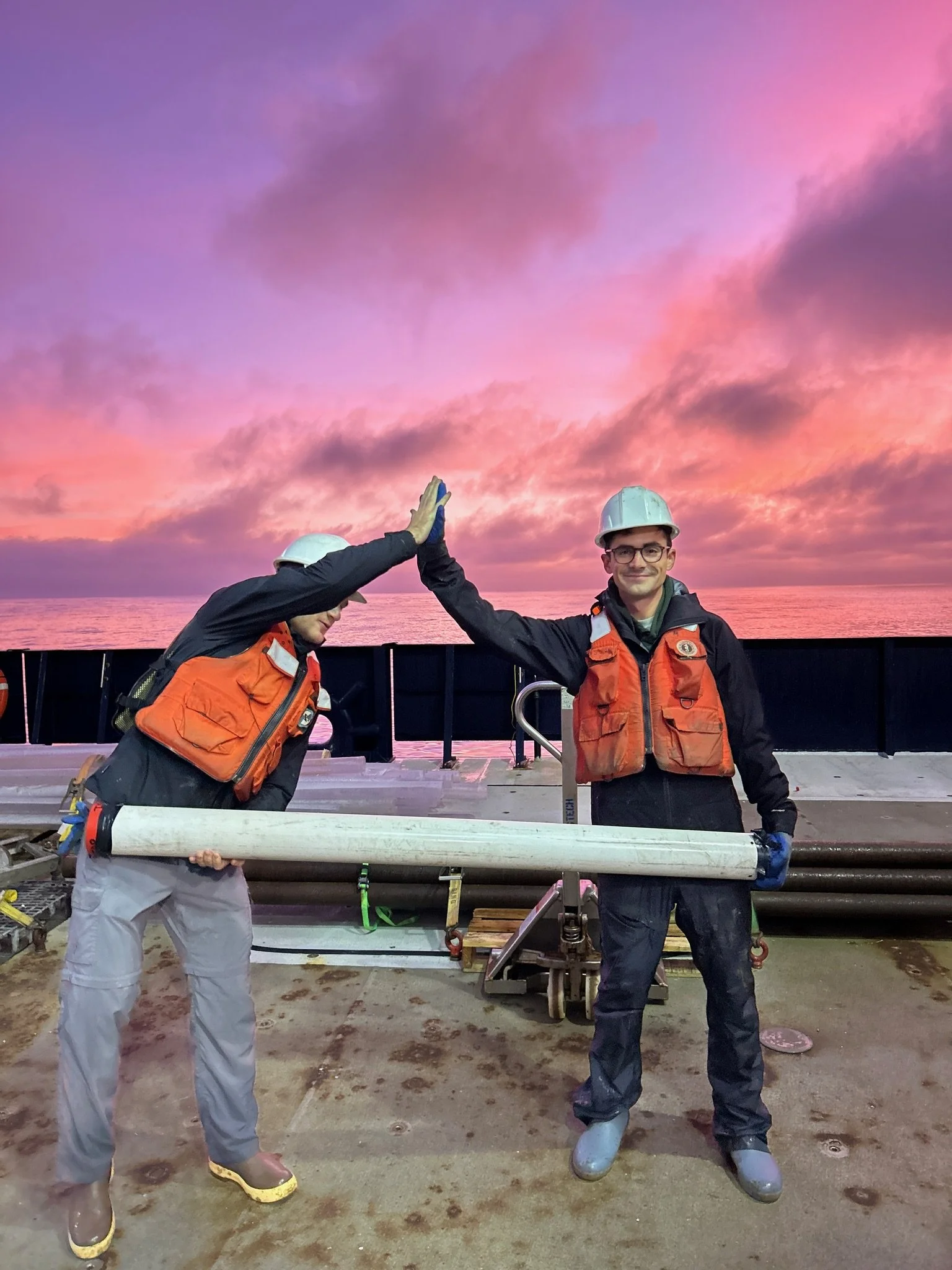
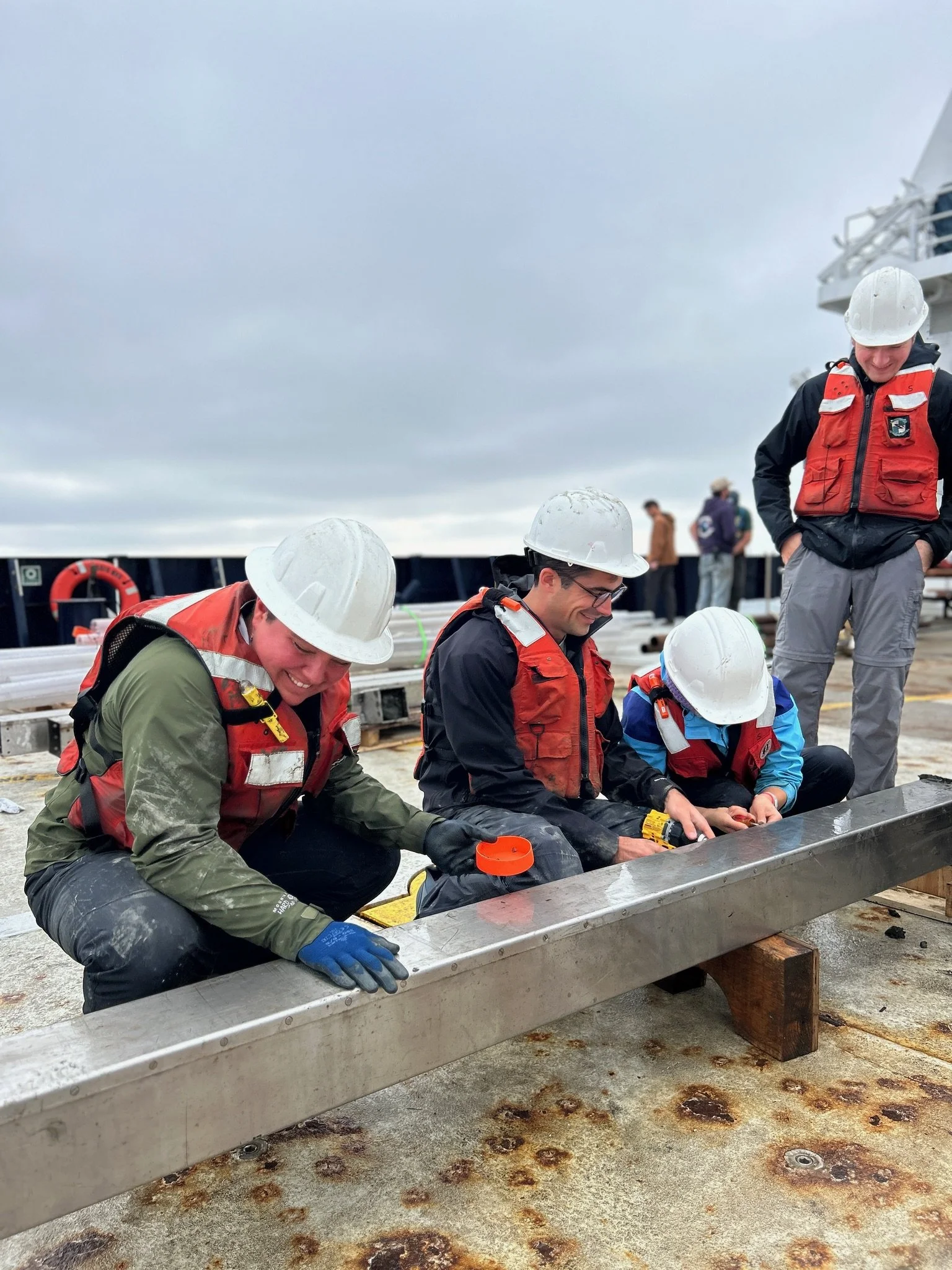
In addition, a team led by Dr. Margaret Morris (SIO) collected vibracores to capture a record of ancient soils from Goleta Slough and San Dieguito Lagoon that can be used to reconstruct Younger Dryas landscapes offshore Southern California. Previously collected co-located vibracores and sub-bottom profiles offshore San Dieguito Lagoon allowed identification of the ancient shoreline from the Younger Dryas period along with broad reconstruction of the associated landscape. SR2422 science party members obtained new cores in areas that likely contained ancient soils from the Younger Dryas period, including in Goleta Slough at locations identified in a 2023 sub-bottom profiler survey as having high potential for paleoclimate marker preservation.